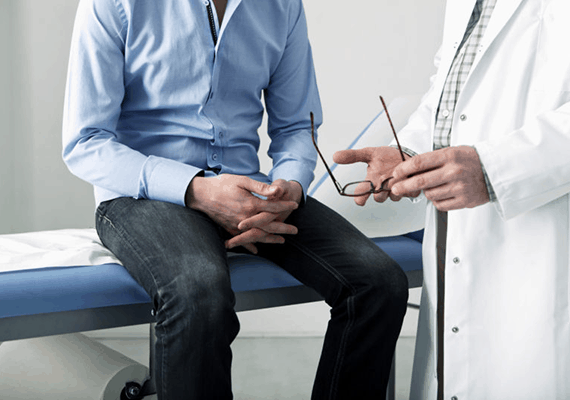



Colonoscopies in Westchester, NY
Whether you’re turning 45 and scheduling your first screening, have been referred by your primary care physician, or are experiencing digestive symptoms that require further evaluation, a colonoscopy is the most effective way to examine the colon for polyps, inflammation, bleeding, and other abnormalities. Our board-certified gastroenterologists perform screening and diagnostic colonoscopies for patients throughout Westchester County in a comfortable outpatient setting.
What Is a Colonoscopy?
A colonoscopy is a procedure used to examine the lining of your colon and rectum using a thin, flexible camera called a colonoscope. This allows your doctor to check for abnormalities such as inflammation, bleeding, polyps, or signs of colon cancer. Our experienced team performs colonoscopies in a safe, comfortable setting at our Yonkers, NY facility.
Colonoscopy is a key part of preventive healthcare and may be recommended to evaluate:
- Chronic abdominal pain or cramping
- Unexplained weight loss
- Changes in bowel habits
- Rectal bleeding
- Family history of colon cancer or polyps
Why a Colonoscopy Matters: Early Detection Saves Lives
Colonoscopies are the gold standard for colon cancer screening and early detection of potentially serious gastrointestinal conditions. The American Society for Gastrointestinal Endoscopy recommends adults begin regular screenings at age 45. Unlike many screening tests, a colonoscopy can both detect and help prevent colorectal cancer by allowing precancerous polyps to be removed before they become cancerous.
A colonoscopy can also help diagnose and monitor conditions like:
- Ulcerative colitis
- Crohn’s disease
- Diverticulosis
- Colon polyps
Why People Delay a Colonoscopy and Why They Shouldn’t
One of the biggest barriers to colon cancer screening is simply putting it off. Many people avoid scheduling because they feel healthy, worry the procedure will be uncomfortable, or are anxious about the preparation. In reality, most colon cancers develop slowly from precancerous polyps that usually cause no symptoms during their earliest stages.
A screening colonoscopy allows your gastroenterologist to identify and often remove these polyps before they become cancerous. Rather than simply detecting disease, a colonoscopy can actually help prevent colon cancer from developing.
If you’ve been postponing your first screening, you’re not alone. The important step is scheduling before symptoms develop rather than waiting until digestive problems appear.
Colonoscopy vs. Stool Tests
Several at-home stool tests are available for colon cancer screening, but they serve a different purpose than a colonoscopy.
A stool test may identify signs that additional testing is needed. However, if the result is abnormal, a diagnostic colonoscopy is generally recommended to determine the cause. Additionally, these at-home tests admit that both false positives and false negatives are common, leading many people to wonder “why even use one?”
A colonoscopy allows your physician to directly examine the lining of the colon and remove suspicious polyps immediately. For many patients, it remains the most comprehensive screening option because diagnosis and treatment can often occur during the same appointment.
Why Experience Matters During a Colonoscopy
A colonoscopy is a highly specialized procedure that depends on the skill and experience of the physician performing it.
Experienced gastroenterologists are trained to carefully inspect the entire colon, identify subtle abnormalities, safely remove polyps when appropriate, and recognize early signs of digestive disease that might otherwise go unnoticed.
Choosing a board-certified gastroenterologist who performs colonoscopies regularly provides confidence that your screening is being performed according to current standards of care using modern equipment and established safety protocols.
Preparing for a Colonoscopy
Proper preparation is key to a successful and accurate colonoscopy. Before your procedure, your doctor will provide detailed instructions to help cleanse your colon:
- The day before your appointment, you’ll follow a clear liquid diet and avoid all solid foods.
- You’ll take a prescribed laxative either the night before or in two doses (known as “split dosing”) to completely empty the colon.
- Avoid drinks with red, blue, or purple dyes, and do not eat or drink anything after midnight if sedation is planned.
Following these steps closely ensures the doctor can clearly view the colon and detect any abnormalities.

What to Expect During the Procedure
Your colonoscopy will be performed at our Westchester office by a skilled gastroenterologist with years of experience. You’ll wear a gown and receive a sedative to keep you comfortable during the procedure.
While you lie on your side, the doctor will gently insert the colonoscope into your rectum and guide it through your colon. Air may be introduced to expand the colon and improve visibility. If polyps are found, they may be removed for biopsy and further analysis.
The procedure typically takes about 30–45 minutes, and most patients report little to no discomfort thanks to sedation.
Recovery After a Colonoscopy
After the procedure, you’ll spend about an hour in recovery as the sedation wears off. It’s normal to feel bloated or gassy for a few hours as the air exits your colon. You’ll need someone to drive you home and should avoid work or major decisions for the rest of the day.
If polyps were removed, you may notice a small amount of blood during your next bowel movement. Most patients can resume their regular diet unless otherwise directed by their doctor.
Why Choose Gastroenterology of Westchester?
Choosing the right provider for your colonoscopy matters. At Gastroenterology of Westchester, we pride ourselves on:
- Board-certified gastroenterologists focused exclusively on digestive diseases
- Modern endoscopic equipment for high-quality visualization
- Thorough explanations before and after your procedure
- Comfortable outpatient experience
- Convenient scheduling for both screening and diagnostic colonoscopies
- Coordination with your primary care physician when appropriate
- Saturday hours and walk-in services are available
- We also provide upper endoscopy and hemorrhoids treatment
Whether you’re due for your first screening or need follow-up care, we’re here to support your digestive health every step of the way.
Serving Westchester County and Beyond
Our Yonkers office is conveniently located to serve patients throughout Westchester County, including:
- White Plains
- Scarsdale
- New Rochelle
- Bronxville
- Mount Vernon
- Tarrytown
- Eastchester
We welcome new patients and referrals – and we make it easy to schedule your colonoscopy with minimal wait times.
FAQs About Colonoscopies in Westchester
Q: What age should I start getting colonoscopies in New York?
A: The current guidelines recommend beginning screening colonoscopies at age 45, or earlier if you have risk factors like a family history of colon cancer.
Q: What Happens If Polyps Are Found?
A: Finding polyps during a colonoscopy is common and does not automatically mean cancer is present.
Most colon polyps are benign growths. Depending on their size and appearance, they can often be removed during the procedure without requiring additional surgery. The tissue is then sent to a laboratory where a pathologist determines whether any precancerous or cancerous changes are present.
Q: How long will I be at the office?
A: Although the colonoscopy itself usually takes between 30 and 45 minutes, plan on spending approximately two to three hours at the facility to allow time for registration, preparation, recovery, and discharge instructions.
Q: Can I continue taking my medications?
A: Many medications can be continued, but blood thinners, diabetes medications, and certain supplements may require temporary adjustments. Our office will review your medications before the procedure and provide personalized instructions.
Q: Will my insurance cover a screening colonoscopy?
A: In most cases, yes. Preventive colonoscopies are covered by insurance under the Affordable Care Act. We can help you verify your benefits before scheduling.
Q: Do I need a referral for a colonoscopy?
A: Some insurance plans require a referral. Our staff can guide you through the process and help coordinate with your primary care provider if needed.
Q: How do I choose the best colonoscopy provider near me?
A: Look for a board-certified gastroenterologist, a well-reviewed clinic, and a facility with strong safety protocols – like Gastroenterology of Westchester.
Schedule Your Colonoscopy Today
Don’t delay potentially life-saving screening. Our team is here to answer your questions and make your experience as smooth and stress-free as possible.
Call us or book online to schedule your colonoscopy at our Yonkers, NY office today.