


Endoscopy in Westchester, NY – Upper Endoscopy Services
At Gastroenterology of Westchester, we provide expert endoscopy procedures in our Yonkers office to help diagnose and treat upper gastrointestinal conditions. If your doctor has recommended an upper endoscopy (EGD), rest assured you’re in experienced hands.
What Is an Upper Endoscopy?
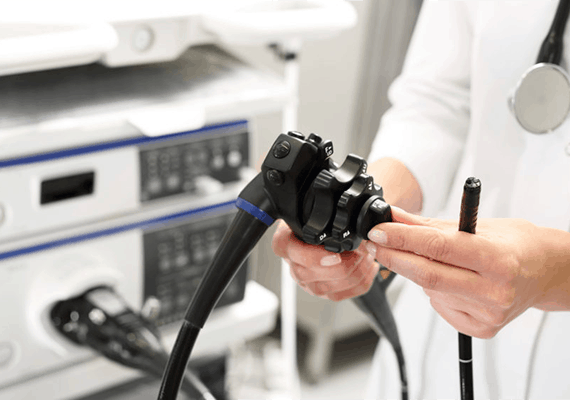
An upper endoscopy, also known as an esophagogastroduodenoscopy (EGD), is a diagnostic procedure used to examine the esophagus, stomach, and duodenum (the upper part of the small intestine). During this quick outpatient procedure, a flexible tube with a camera (endoscope) is gently inserted through the mouth to provide a detailed view of the upper digestive tract.
Upper endoscopy is essential for detecting issues like:
- Gastroesophageal reflux disease (GERD)
- Ulcers
- Inflammation
- Swallowing difficulties
- Abnormal growths
- Precancerous changes or cancer
An Upper Endoscopy Can Diagnose and Treat Problems
Many people think of an upper endoscopy as simply a diagnostic test, but it can also allow your gastroenterologist to perform certain treatments during the same procedure.
Depending on your condition, your physician may be able to:
- Obtain biopsies to evaluate inflammation or abnormal tissue
- Remove certain small polyps
- Stretch narrowed areas of the esophagus that make swallowing difficult
- Remove food that has become lodged in the esophagus
- Treat certain sources of gastrointestinal bleeding
Because these treatments can often be performed immediately, many patients avoid the need for additional procedures or surgery.
When Is an Upper Endoscopy Recommended?
An upper endoscopy is recommended when symptoms suggest a condition affecting the esophagus, stomach, or upper portion of the small intestine that cannot be fully evaluated through a physical exam or imaging study alone. It allows your gastroenterologist to directly examine the lining of the upper digestive tract and determine the underlying cause of your symptoms.
Your physician may recommend an upper endoscopy if you experience:
- Persistent heartburn or acid reflux that doesn’t improve with medication
- Difficulty or pain when swallowing
- Ongoing upper abdominal pain
- Chronic nausea or vomiting
- Gastrointestinal bleeding or vomiting blood
- Unexplained iron deficiency anemia
- Frequent indigestion or stomach discomfort
- Unexplained weight loss
- A sensation that food is becoming stuck when swallowing
An upper endoscopy may also be recommended to monitor certain chronic conditions, evaluate abnormal imaging or laboratory findings, or investigate symptoms that have not responded to conservative treatment.
Conditions an Endoscopy Can Diagnose
An upper endoscopy provides detailed visualization of the esophagus, stomach, and duodenum, allowing your gastroenterologist to diagnose many digestive disorders that cannot be confirmed through symptoms alone.
Common conditions identified during an upper endoscopy include:
- Gastroesophageal reflux disease (GERD)
- Barrett’s esophagus
- Esophagitis
- Gastritis
- Stomach ulcers
- Duodenal ulcers
- Hiatal hernia
- Celiac disease
- Esophageal strictures
- Stomach polyps
- Upper gastrointestinal bleeding
- Precancerous changes and certain cancers of the esophagus or stomach
If necessary, small tissue samples can be collected during the procedure for laboratory analysis, helping your physician reach an accurate diagnosis without requiring additional procedures.
Preparing for an Upper Endoscopy in Westchester
We’ll provide specific instructions during your consultation, but general prep usually includes:
- Fasting for 8 hours before your procedure
- Stopping certain medications (especially blood thinners)
- Informing us of any medical conditions, allergies, or supplements you’re taking
Compared to colonoscopies, upper endoscopy prep is simple – just fasting. No laxatives or full-day preparation required.